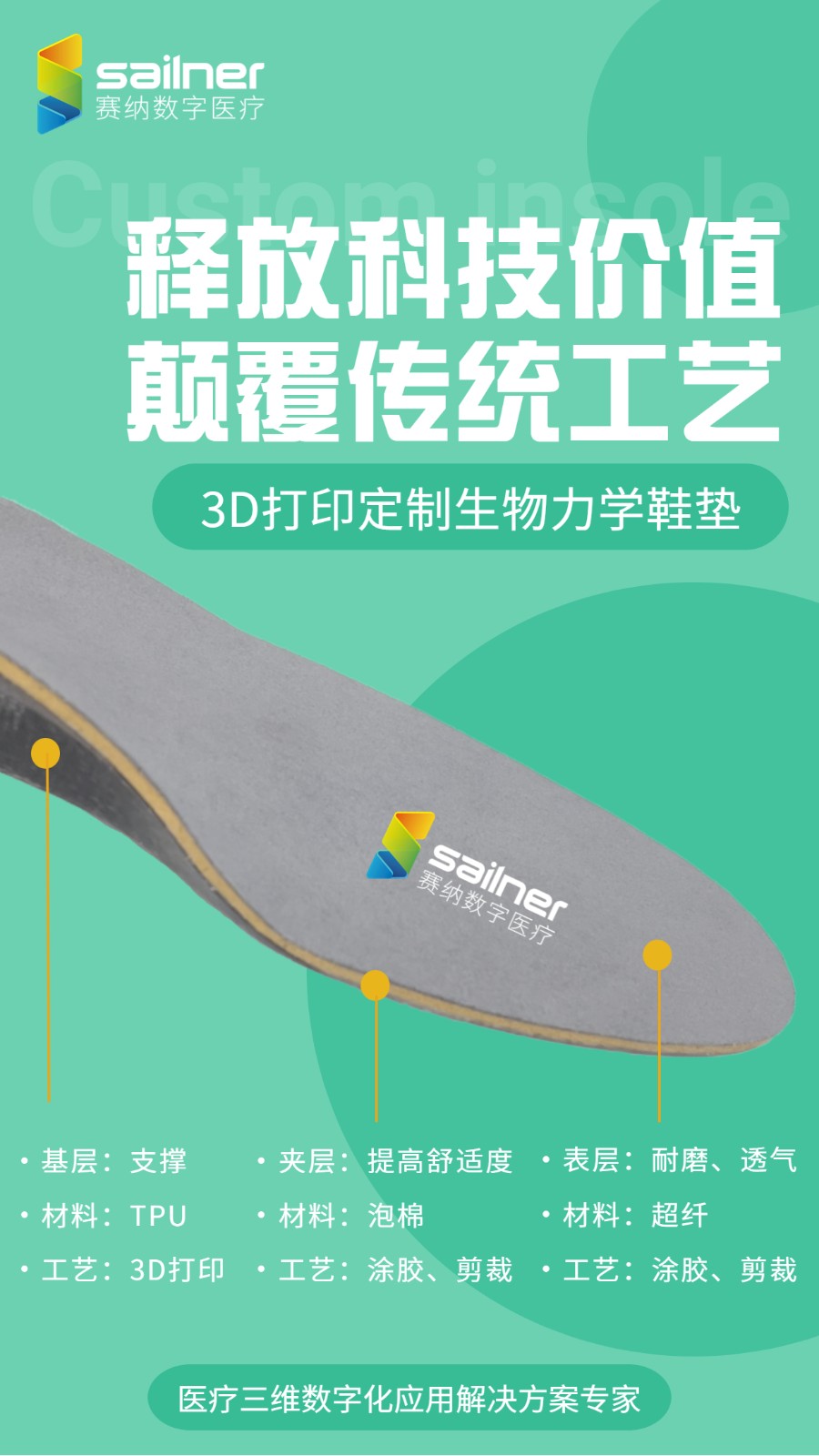


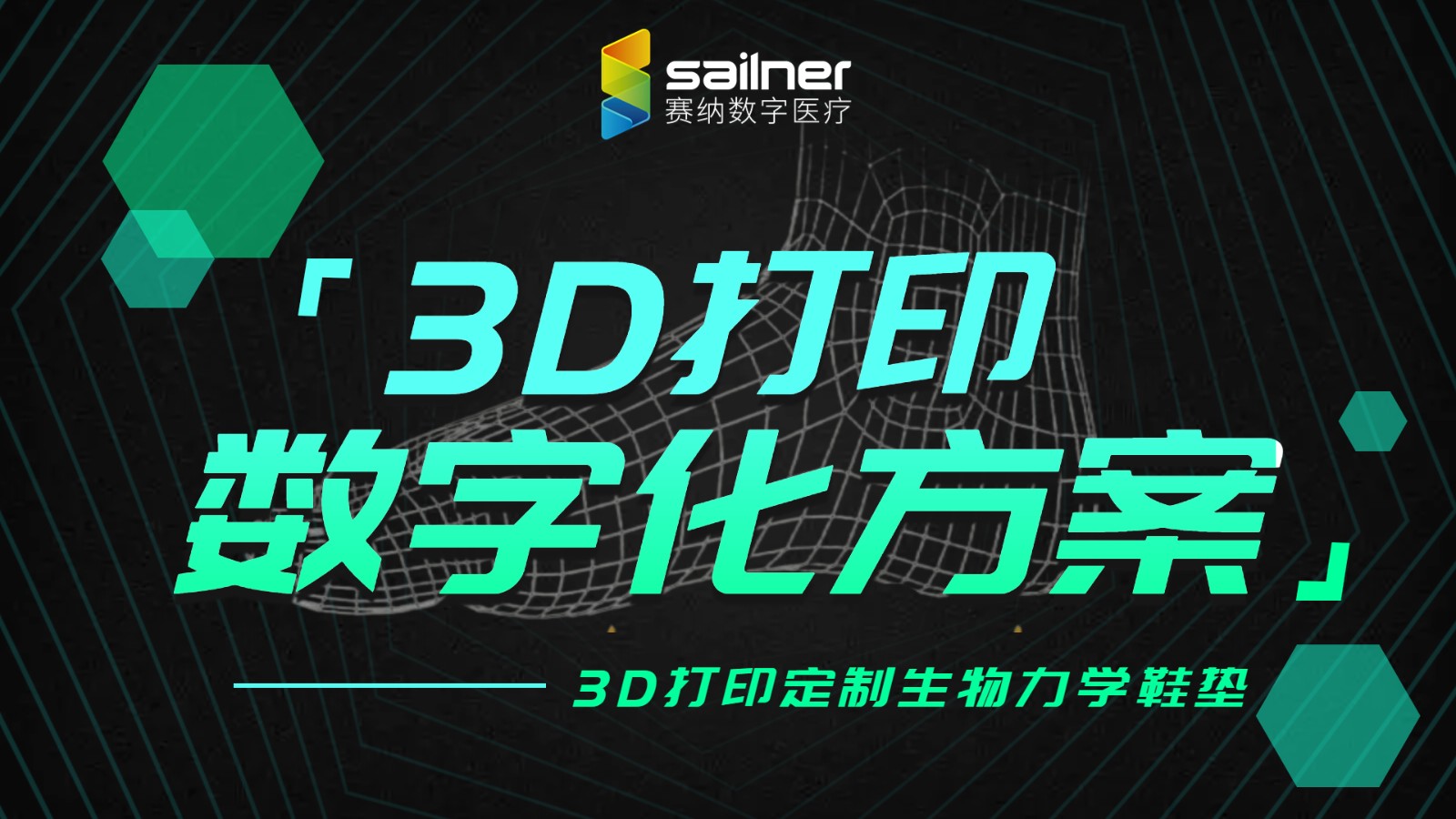
Wearing3D-printed custom insoles: what should you keep in mind?
1. Wear time — build up gradually
The adaptation period for first-time wear of custom insoles is 1–2 weeks. We recommend starting with short sessions—for example, 1 hour on day one, 2 hours on day two, adding 1 hour each day—until you reach your longest daily activity duration.
Note: In the early stage of wear, slight discomfort may occur due to biomechanical changes. This is normal and no cause for concern. If you still have not adapted after two weeks, please contact us promptly for fitting adjustment.
2. Where to wear — indoors and outdoors
Whether indoors or outdoors, only by consistently wearing custom insoles during walking and physical activity can normal lower-limb biomechanical alignment be maintained and the best results achieved.
3. Cleaning and care — avoid high heat and direct sun
Custom insoles may be cleaned on the surface with a damp cloth and soft brush. Do not machine-wash or rub vigorously. Air-dry in a well-ventilated place; avoid high temperatures, direct sunlight, and heat drying.
4. Regular follow-up — fitting adjustment
If you experience discomfort while wearing the insoles, contact us promptly for adjustment. If there is no discomfort, please return for follow-up every 3 months within one year from the customization date. Follow-up examinations are completely free of charge; replacement of custom insoles is charged at the normal rate.
Note: Owing to the special nature of custom products, no returns or exchanges are accepted once sold.
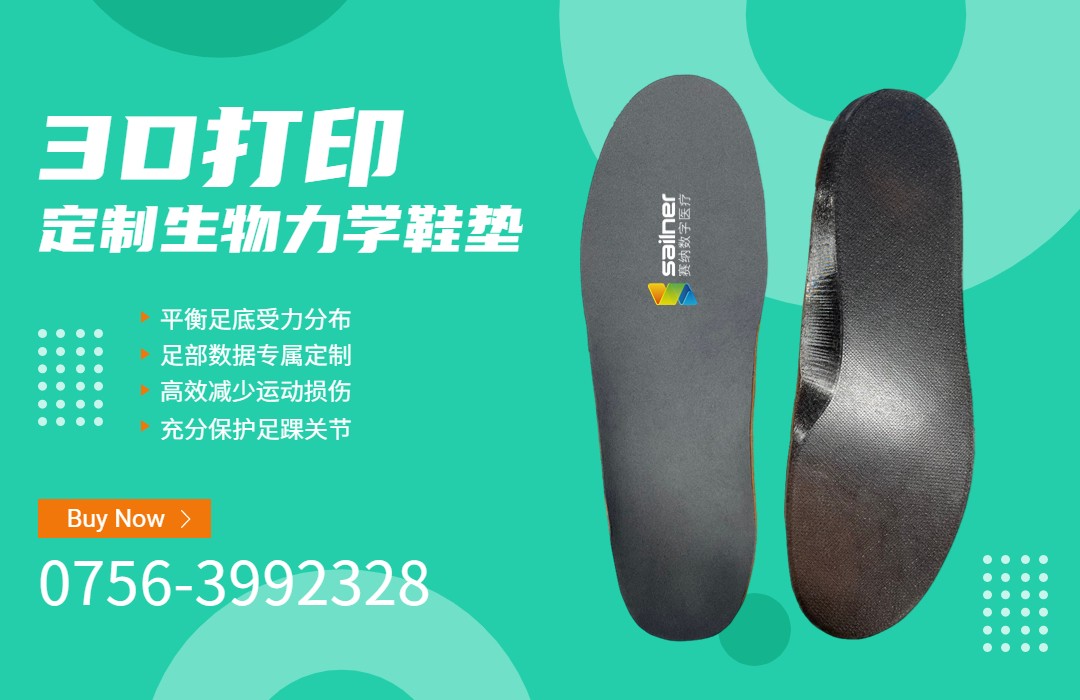
How often should 3D-printed custom insoles be reviewed or replaced?
Recommended follow-up intervals:
Users under 7 years of age: return every 3 months after customization for review, adjustment, and replacement;
Users aged 7 and above: return every 6 months after customization for review, adjustment, and replacement;
Taking children as an example: because children are in a period of growth and development, the feet grow rapidly and require regular observation of changes, timely replacement of suitable shoes—and the same applies to custom insoles. Only properly fitting shoes and insoles can better match the child’s feet and achieve better outcomes. Therefore, at each follow-up the child’s feet should be re-assessed and a new customized plan made based on the new data.
In addition, custom insoles must bear body weight and daily walking and exercise wear. After a period of use they will deform to some extent. To ensure comfort and stability in wear and to achieve optimal rehabilitation outcomes, adjustment and replacement are also needed.
By the same token, adults who have been fitted with custom insoles also need regular checks to adapt better and obtain the best rehabilitation results.
In summary, for children custom insoles are a corrective process; for adults they are a rehabilitation process. Conservative treatment with insoles is therefore a long-term process in order to achieve the best results.
To help every user who has custom insoles made at Sailner Digital Medical achieve the best outcomes, from now on we are incorporating post-customization regular follow-up visits and reviews into the company’s formal management system. We hope this will help every user, and we look forward to each user’s cooperation.
Do 3D-printed custominsoles need to be worn all the time?
How long custom insoles need to be worn varies from person to person.
For children with flat feet or in-toeing, after correction with custom insoles a period of consolidation and observation may follow, after which wear can be discontinued.
Adults present a wider range of foot problems that cannot be generalized. Some pain results from trauma or overuse injury; after a period of custom insole use, once symptoms resolve, daily wear time may be gradually reduced until symptoms do not recur without use. Other pain is due to age-related degeneration or severe deformity; in such cases long-term use is recommended.
If the pain has gone, is follow-up adjustment still needed?
Even after pain resolves, regular follow-up and adjustment are still needed. Because the insoles are worn every day under the feet and bear body weight, they can collapse and deform. Follow-up adjustment restores support and ensures comfort and stability during wear.
How to choose shoes suitable for3D-printed custom insoles?
When choosing shoes, prefer athletic shoes with a firm heel counter that wraps the foot, because athletic shoes offer better wrap, cushioning, width, and comfort. When using custom insoles, the shoe’s original insole must be removed so the corrective insole can be inserted. If the fit feels too tight, we recommend a slightly larger size.
Specific requirements are as follows:
1. More than 6 pairs of lace eyelets;
2. Relatively firm midsole material;
3. Upper height reaching the tip of the medial malleolus;
4. Forefoot of the sole may flex appropriately;
5. Toe box in a U shape.